01283 688030
01332 408089

info@facialperfection.co.uk




Are you struggling with stubborn dark patches on your face?
We can help restore a clearer, more even complexion.



Melasma is a common pigmentation condition that causes dark, patchy areas to develop on the face. It most frequently appears on the cheeks, forehead, upper lip and chin, and is often triggered by hormonal changes or sun exposure.
Unlike simple sunspots, melasma is driven by overactive pigment-producing cells deep within the skin. This makes it more persistent and more likely to return without targeted treatment.
Melasma can vary in intensity, sometimes appearing faint and patchy, while in other cases becoming darker and more noticeable over time. Although harmless, it can significantly affect confidence and self-esteem.
At Facial Perfection, we offer advanced medical-grade treatments designed to safely regulate pigment production and restore a more even skin tone.

Every treatment at Facial Perfection is delivered or overseen by Dr Davinia Taunk, MBBS MRCGP – an NHS doctor of over ten years with specialist aesthetic training since 2018. Facial Perfection is a CQC-regulated clinic, so you're always in safe, qualified hands.

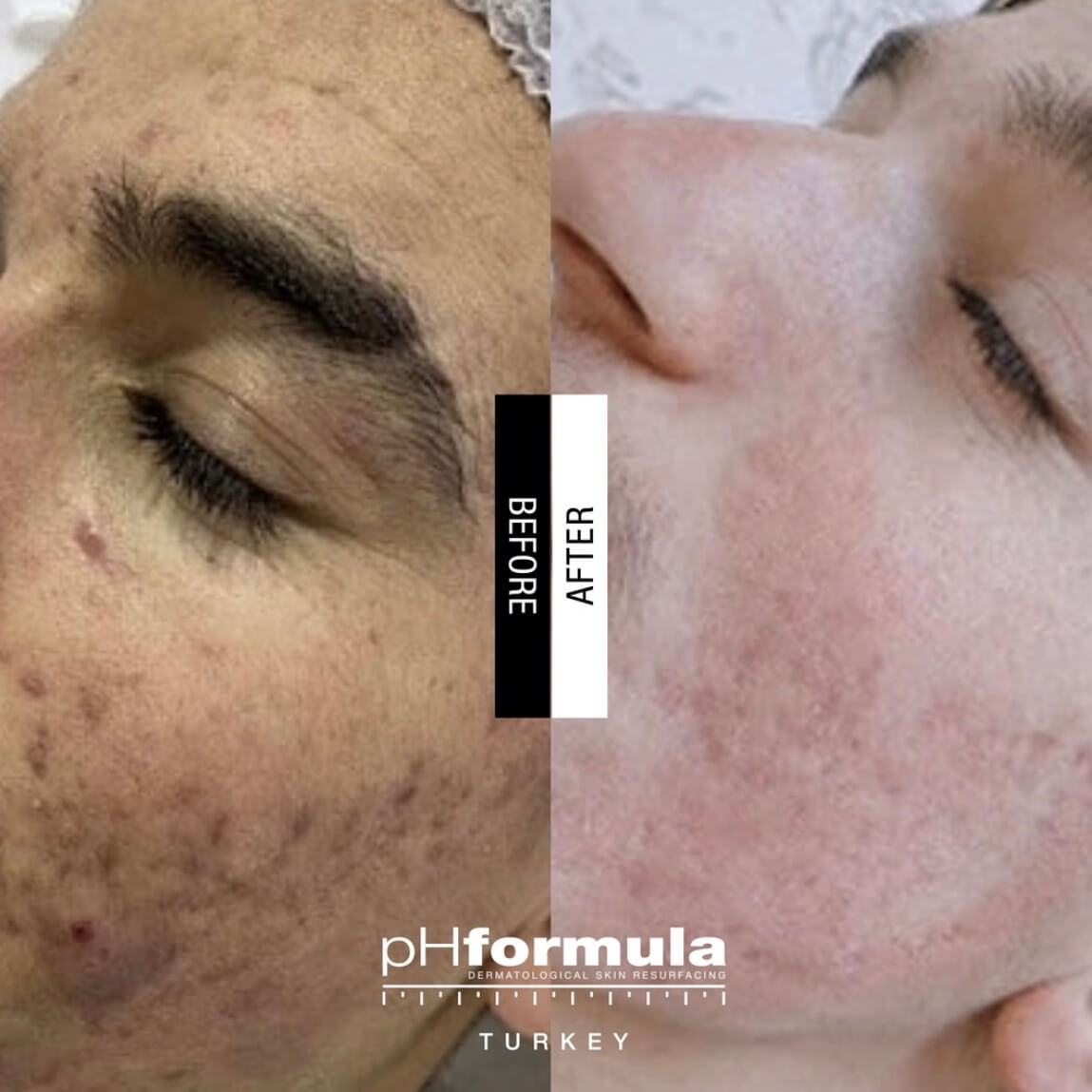
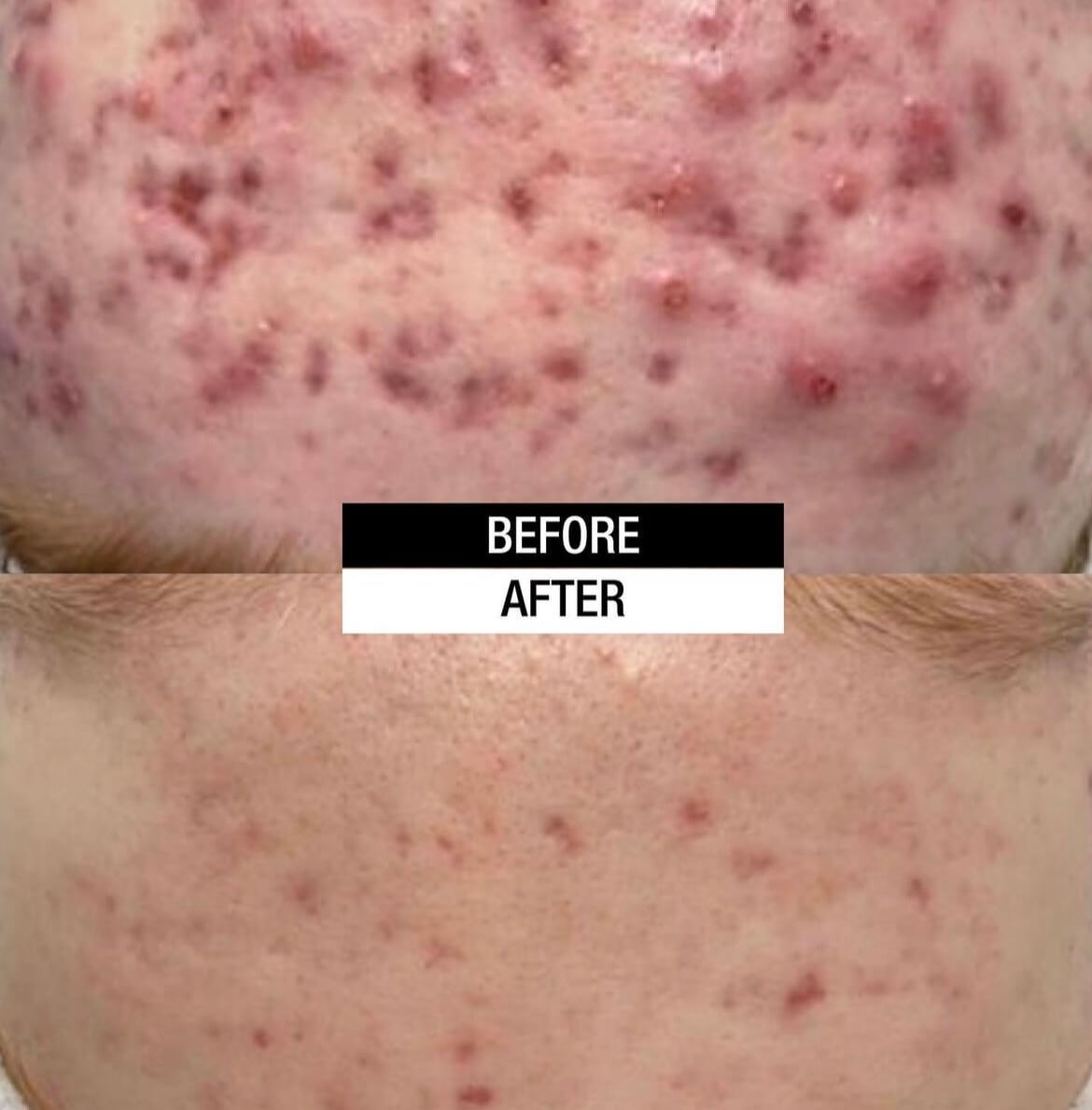
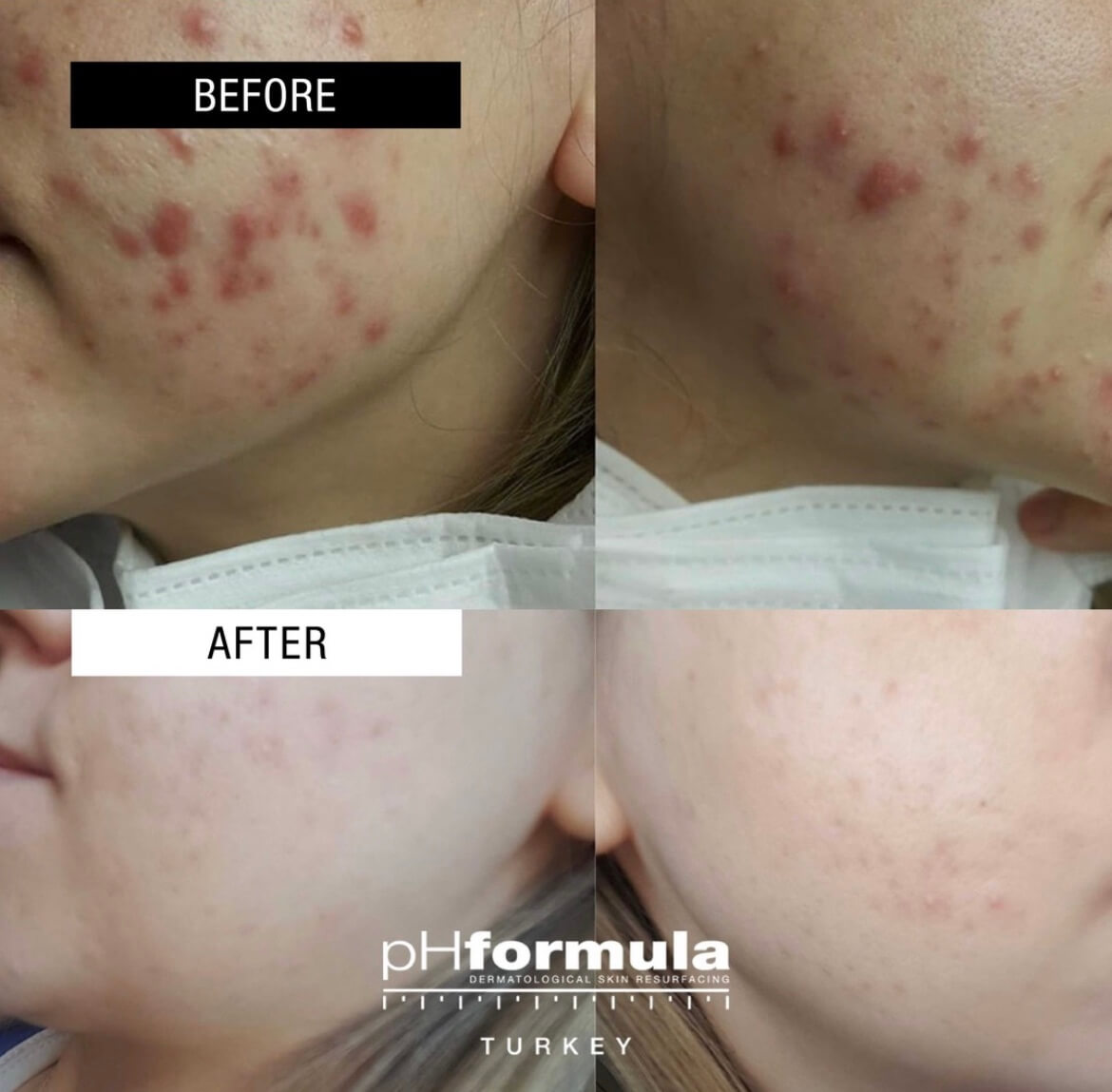
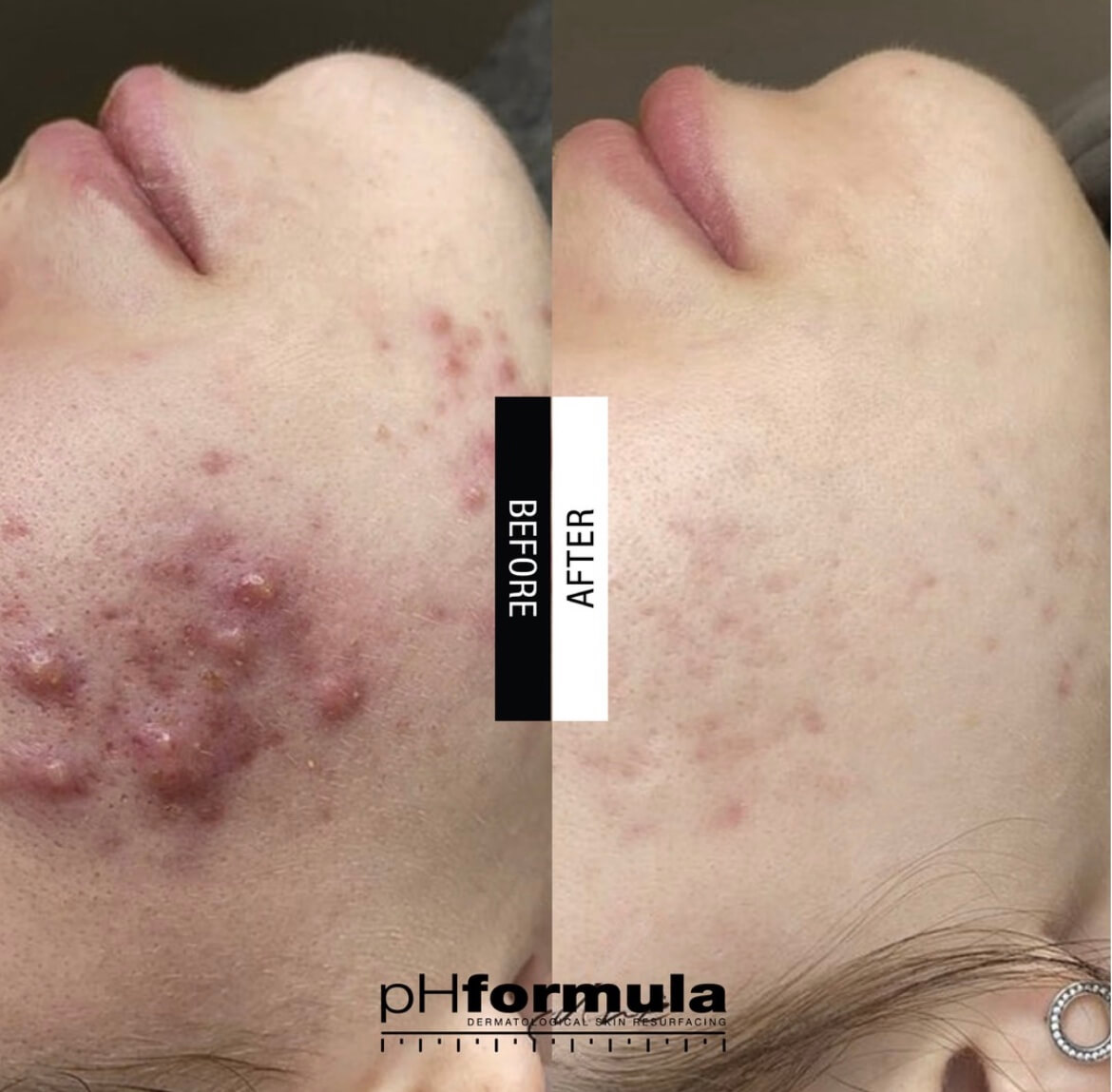
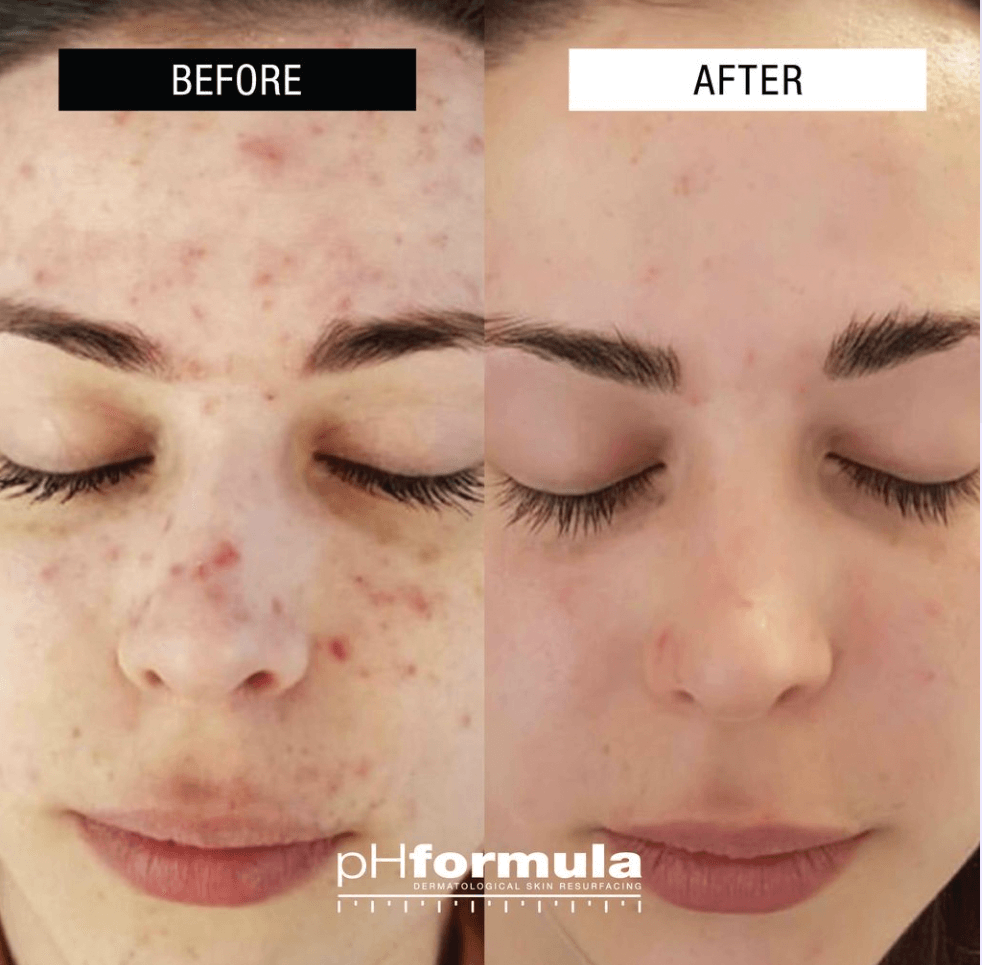
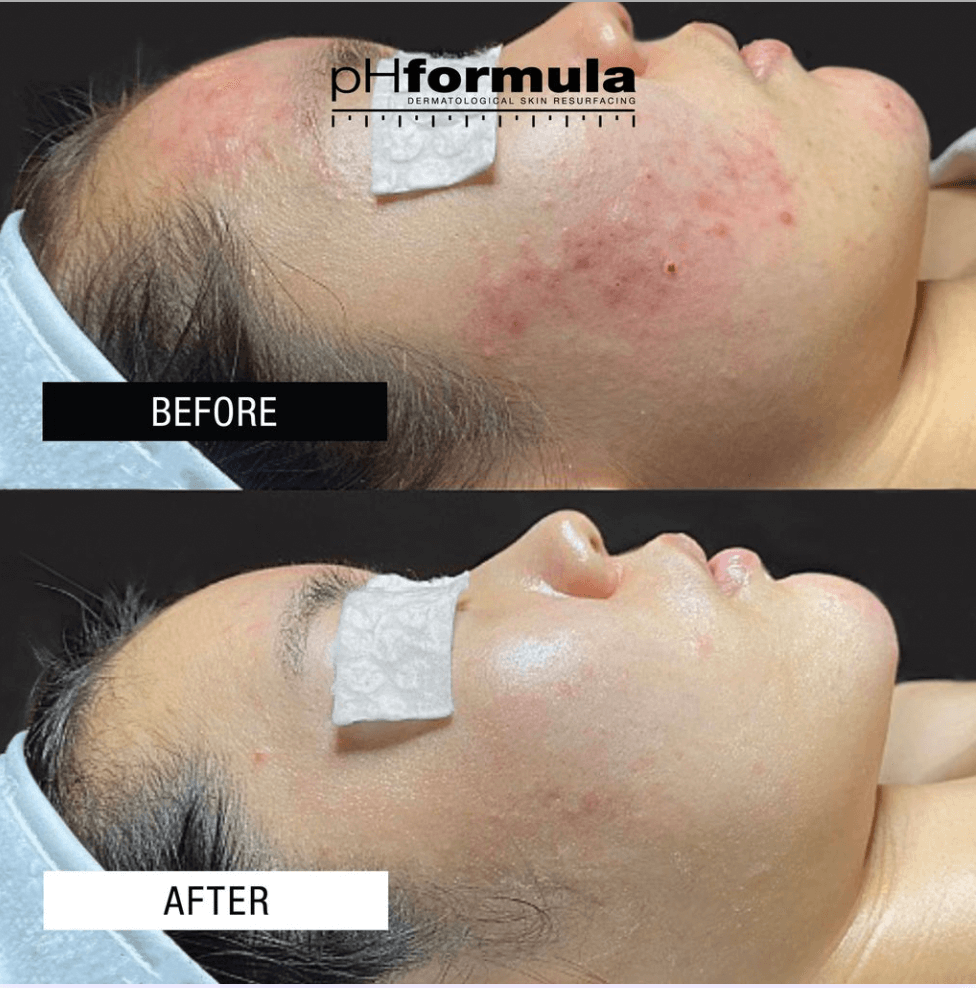
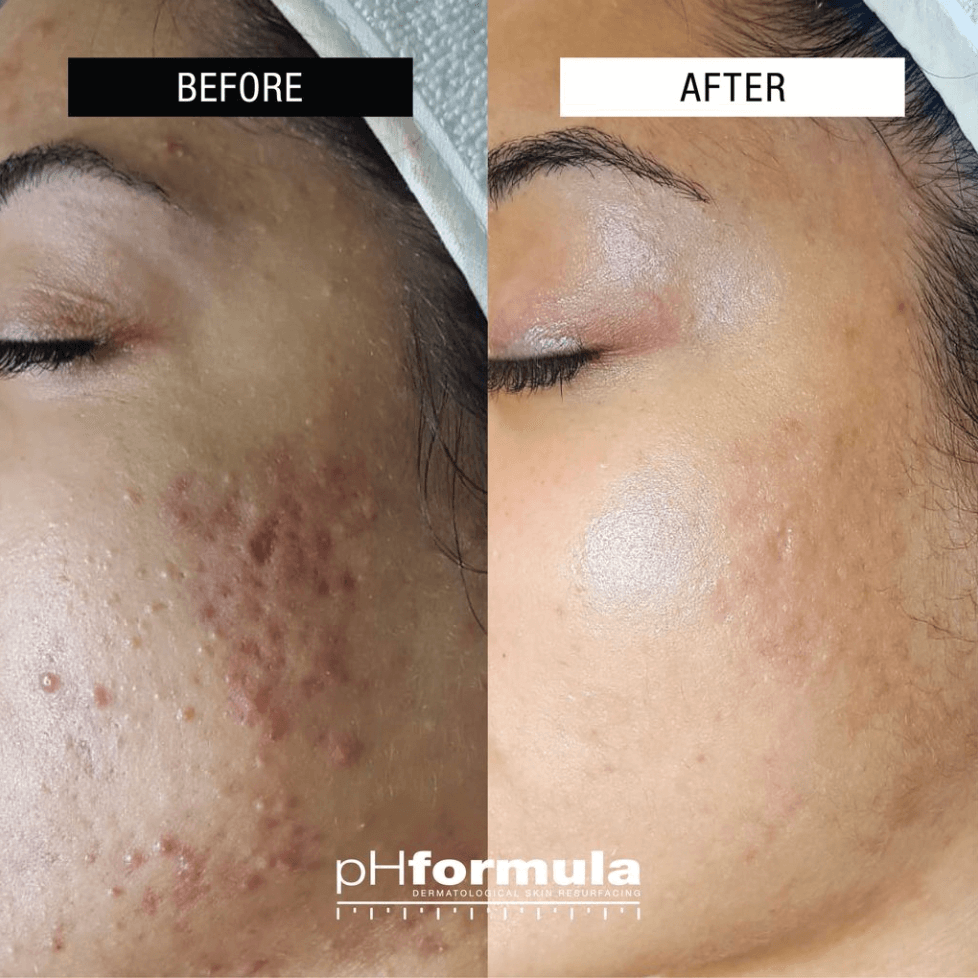
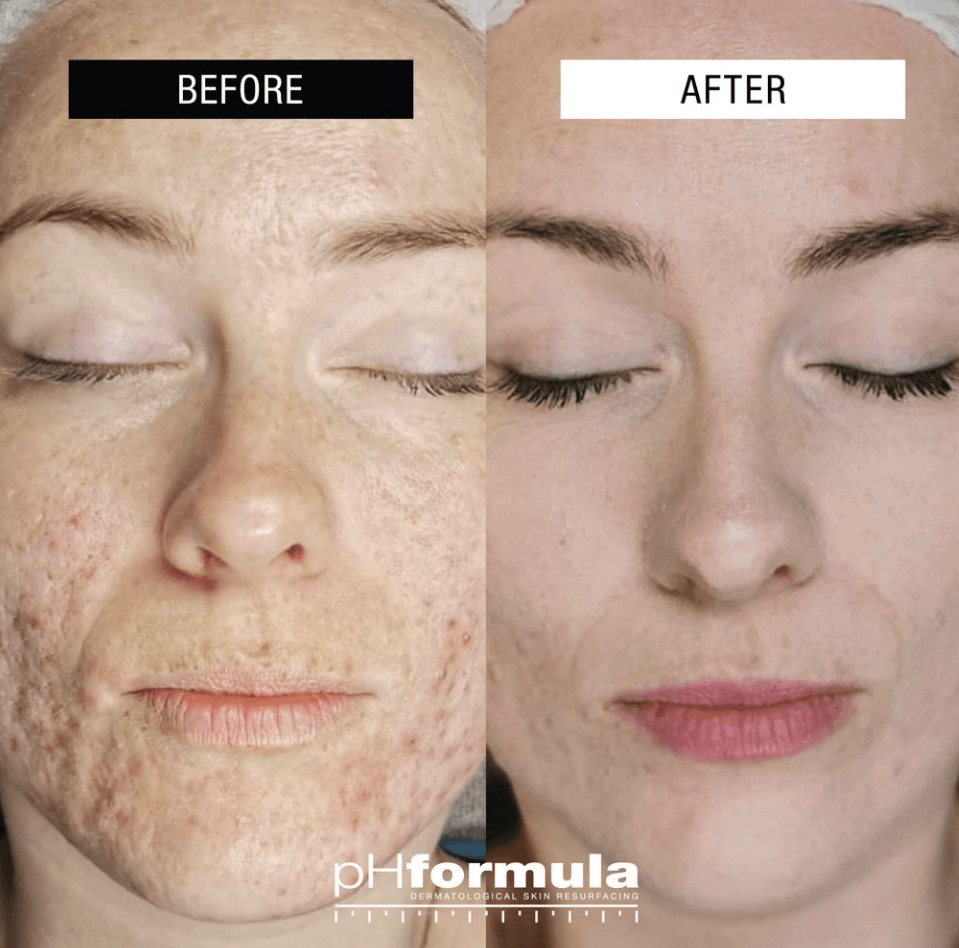






All our treatments are individually recommended and tailored to suit your lifestyle and budget.
Melasma is usually triggered by hormonal changes, sun exposure and genetic predisposition. Pregnancy, the contraceptive pill and hormone replacement therapy are common contributing factors. UV exposure can worsen melasma significantly, even with short periods in the sun.
In some cases, pregnancy-related melasma may fade once hormone levels stabilise. However, many cases persist without professional treatment. Because melasma is linked to melanin overproduction, it often requires targeted depigmentation therapy to improve effectively.
Melasma is a chronic pigmentation condition, meaning it can be managed and significantly improved but may require ongoing maintenance. With the right treatment plan and strict sun protection, long-term control is achievable.
Treatment depends on the depth and severity of pigmentation. At Facial Perfection, Cosmelan is one of the most effective treatments for melasma because it works by regulating melanin production while reducing existing pigment.
Laser is not always recommended as a first-line treatment for melasma, as it can sometimes trigger rebound pigmentation. A professional assessment is essential to determine the safest and most effective option for your skin.
Visible improvement is often seen within a few weeks, with continued lightening over several months as the skin renews and pigment regulation improves. Results vary depending on the type and depth of melasma.
Melasma can return if triggers such as sun exposure or hormonal changes continue. Daily SPF use and a tailored maintenance skincare routine are essential to preserve results.
Yes. When performed by experienced medical professionals, depigmentation treatments such as Cosmelan can be safely used on a range of skin tones. A consultation ensures the most appropriate and safe approach for your individual skin type.
Please leave your details below and one of our team will be in touch to arrange your consultation.